Friday, April 17, 2015

7th WWF day 6

7th World Water Forum in Daegu and Gyeongju, Korea - day 6

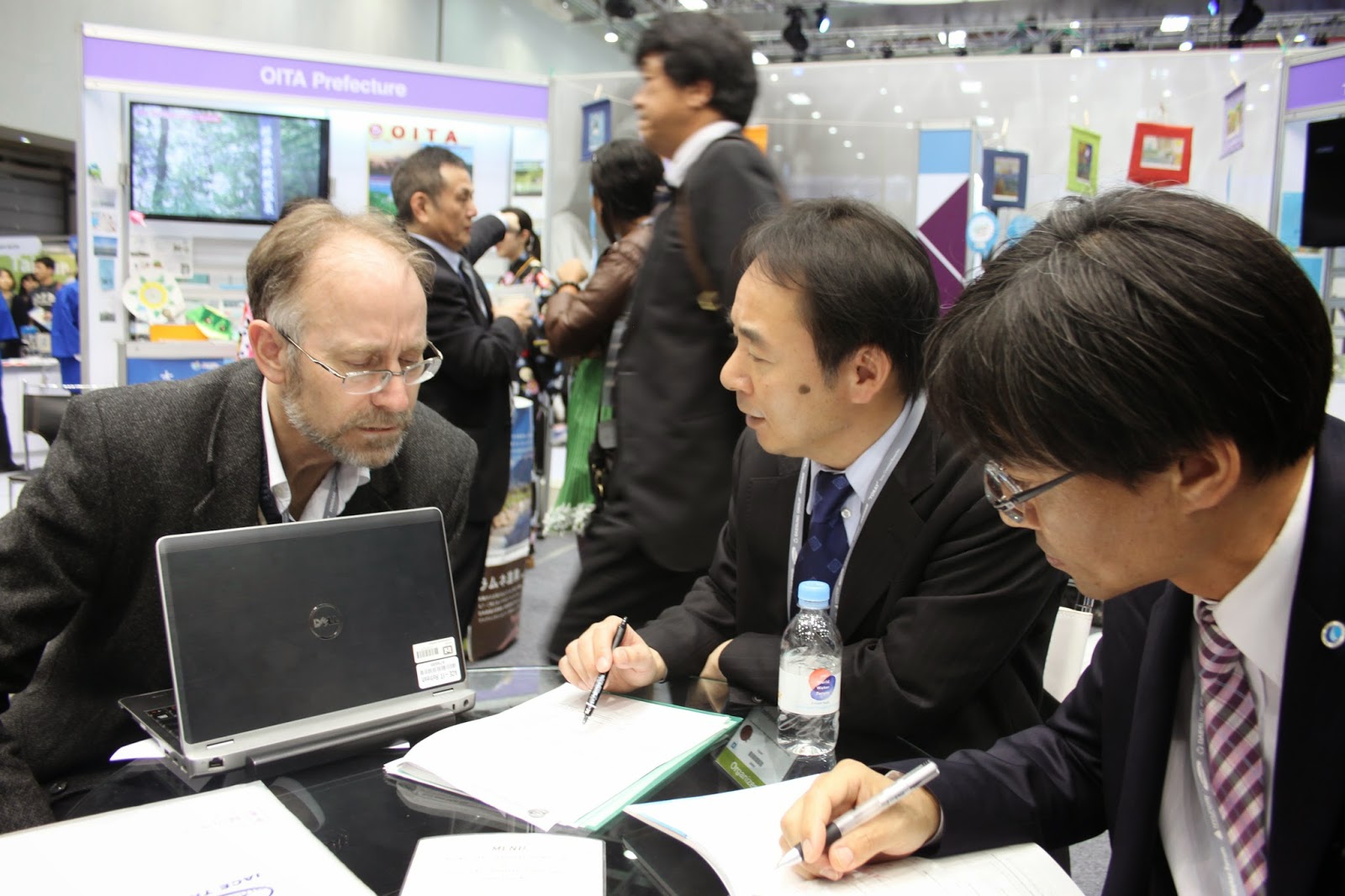
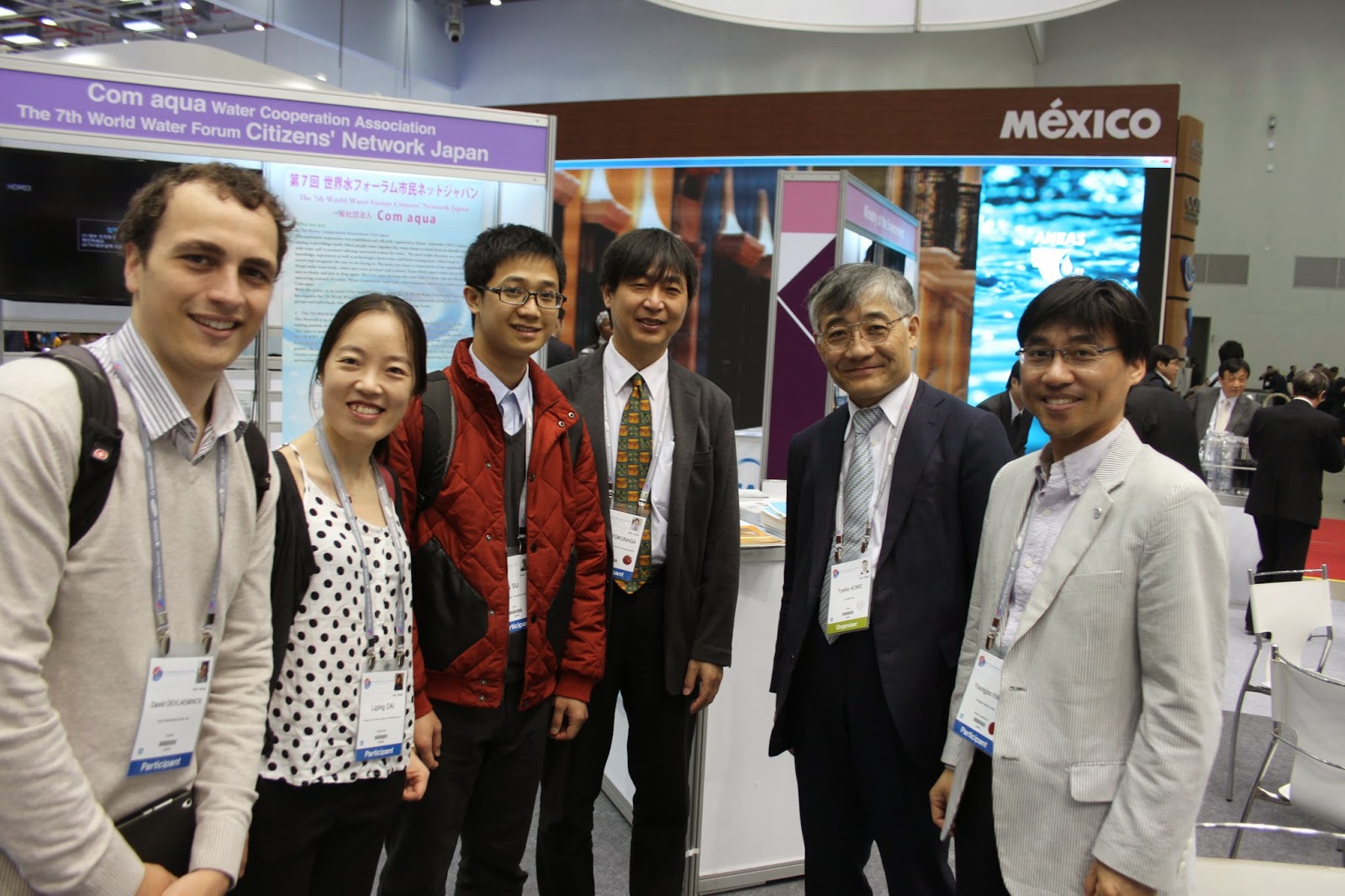
In the morning at 9:00 ICHARM organized the closing session of the Theme Water and Disasters. We had over 60 people turn up to the session, which launched the Implementation Roadmap with actions to be taken on this theme between now and the next WWF in Brazil, 2018. After our session, we checked up on the exhibition booth and placed the final documents online, which you can find here under 'documents'. The final closing ceremony was a massive event with over 700 people and many prizes awarded. 

Thursday, April 16, 2015

7th WWF day 5

7th World Water Forum in Daegu and Gyeongju, Korea - day 5

We spent most of the morning meeting coordinating our concluding session on the last day of the forum. We still had to finalize the schedule, create handouts for the audience, and place as much materials online as possible. Luckily there was a little time left over to catch up with people from the Xiamen international water law department from China, before attending two sessions and being whisked away to a dinner with the typhoon committee. 


Wednesday, April 15, 2015

7th WWF day 4

7th World Water Forum in Daegu and Gyeongju, Korea - day 4

There was time to visit three sessions today in Daegu, on the topics of water justice, governance indicators, and monitoring risks.

Tuesday, April 14, 2015

7th WWF day 3

7th World Water Forum in Daegu and Gyeongju, Korea - day 3

After visiting a session at the EXCO, today was the one day I was able to visit the political process in Gyeongju, some 100 km East of Daegu. The WWF had organized hourly buses between these towns, and as we missed a returning connection to Daegu we had the opportunity to visit the HICO venue in Gyeongju.

Monday, April 13, 2015

7th WWF day 2

7th World Water Forum in Daegu and Gyeongju, Korea - day 2

I visited four events today, starting with the opening ceremony of the thematic sessions, followed by two thematic sessions on the human right of water and water policies, and finally a scientific session on climate change impact and vulnerability.

Sunday, April 12, 2015

7th WWF day 1

7th World Water Forum in Daegu and Gyeongju, Korea - day 1

Today was the first day of the world water forum. We joined the opening ceremony on Daegu, at the exhibition center called EXCO. As it was quite crowded, there was a special room for VIP members to view the ceremony live, and another room for additional visitors to watch it on screens. In total, the secretariat reports there were over 3,000 people attending the opening ceremony. Security was heavy as President Park of Korea and many other heads of state were present in the building. As in Japan, Korea likes the use of mascots and we were treated abundantly with examples of traditional clothing, dances, sports, and many other cultural aspects.

Monday, March 30, 2015

News in Japan - March

GEJET
Four years on from the Tsunami
Rebuilding trust after the Fukushima disaster
Transfer of tainted Fukushima soil starts
Aftershocks continue 4 years after giant quake There were more than 8,100 aftershocks in the first year after the quake. This fell to about 1,600 by the second year, and about 1,000 by the third. 
Japan marks 4th anniversary of 3/11 disaster The government says nearly 230,000 people were still living in temporary housing as of February. It plans to build about 30,000 public housing units, but only 19 percent of them have been completed so far.
Public housing for Fukushima facing delays Fukushima Prefecture plans to build around 2,700 units for people affected by the earthquake and tsunami. 4,900 are planned for those affected by the nuclear accident at the Fukushima Daiichi power plant. But only 44 percent of the units for quake and tsunami victims were ready for occupancy at the end of February. Only 5 percent has been completed for the nuclear evacuees. Prefectural officials say they are having difficulty securing land to build the housing. They say there is also a shortage of construction workers amid the growth in reconstruction-related demands. The officials say it will take until 2018 or later to finish building all the units for the nuclear accident refugees.
The ongoing fallout from Japan’s nuclear meltdown Scientists are saying there is a 70 per cent chance that a magnitude 7.0 or higher quake will hit Tokyo by 2016 and a 98 per cent chance it will hit in the next 30 years. As reminder: Tokyo 'has 70% chance of powerful earthquake within four years' The earthquake research institute at Tokyo University said that in the worst case, a quake of magnitude 7 would hit the southern part of metropolitan Tokyo by 2016, while the chances of a similar disaster occurring within 30 years are as high as 98%. The government, by contrast, estimates the possibility of an earthquake that size striking the capital at 70% in the next three decades.

Japan

Netherlands
USA
Flood and drought risk to cities on rise even with no climate change (USA)

Other

Vulnerable people
Japanese women at a crossroads The number of married women in their 20s who think women should stay at home and focus on housework has risen from 35.7% in 2003 to 41.6% in 2013 Two thirds of them think mothers shouldn't be back at work until the children are three years old, and about the same percentage of women give up their jobs after having their first child.